Our olive oil
One grove,
one harvest, one oil
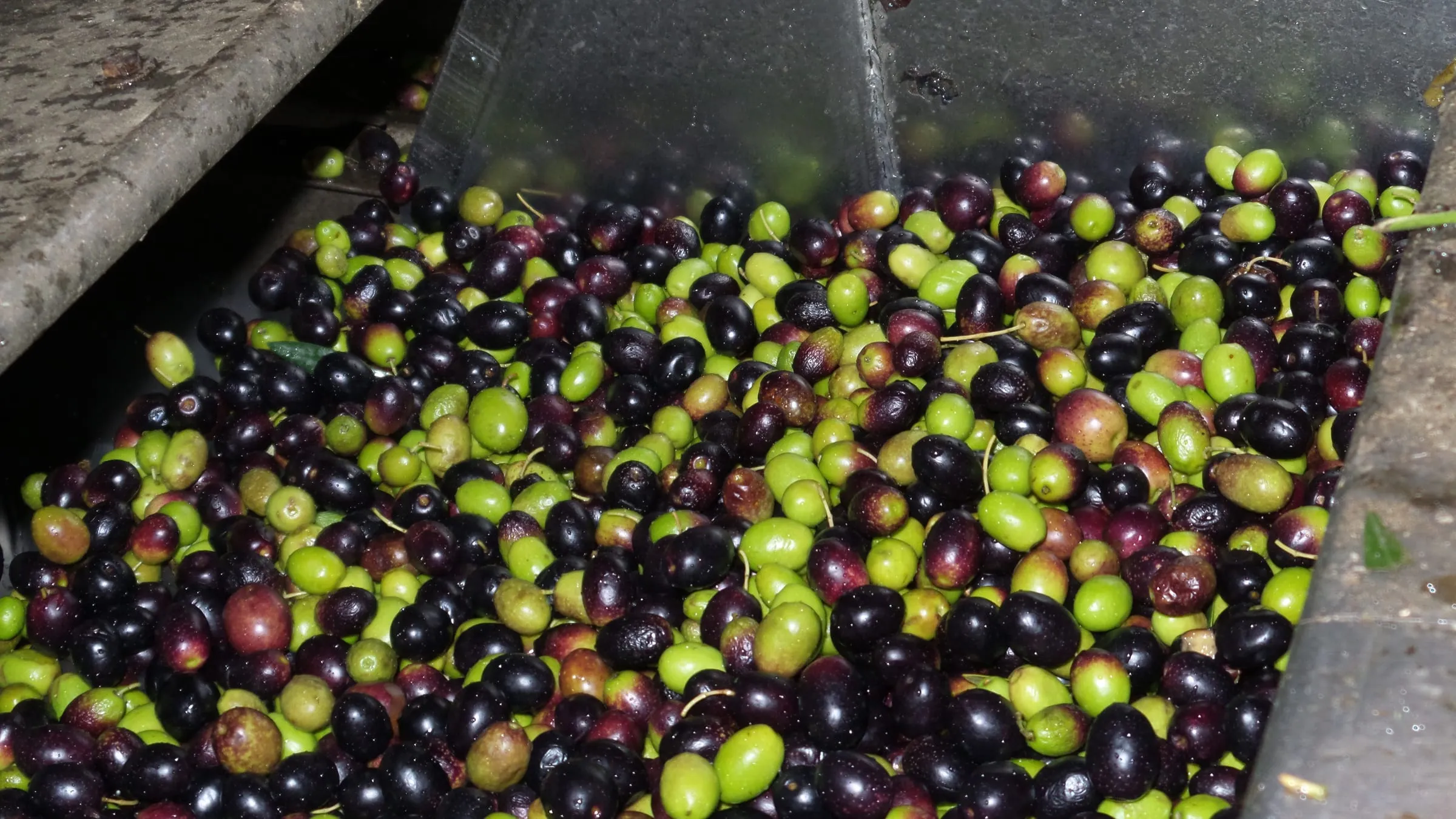
MURO is a fresh, herbaceous extra virgin olive oil whose origin and production give it a character of its own.
We have our own grove in Portugal, so control stays with MURO from planting to bottling.
Caring for the land
Our olive trees grow without synthetic herbicides, pesticides or fertilisers. That is how we have worked for years, and how it will stay.
We never irrigate. Our trees live on what the sky and the soil of Trás-os-Montes give them. They root deeply, grow more slowly and bear smaller olives with a concentrated flavour.
Between the trees we leave grass and wild herbs. They protect the soil from erosion, hold on to the scarce rainwater and give insects and birds a home.
Our varieties
Cobrançosa, Verdeal Transmontana and Cordovil
Three olive varieties native to Trás-os-Montes grow side by side in our grove. Together they give MURO its character.
- 01
Cobrançosa
The emblem of Trás-os-Montes. It brings a green, herbaceous fruitiness with balanced bitterness and pungency.
- 02
Verdeal Transmontana
Ripens late and slowly. It adds fresh, green notes and roundness to the oil.
- 03
Cordovil
Rich in polyphenols. It gives structure, bite and a long finish.
How do we guarantee quality?
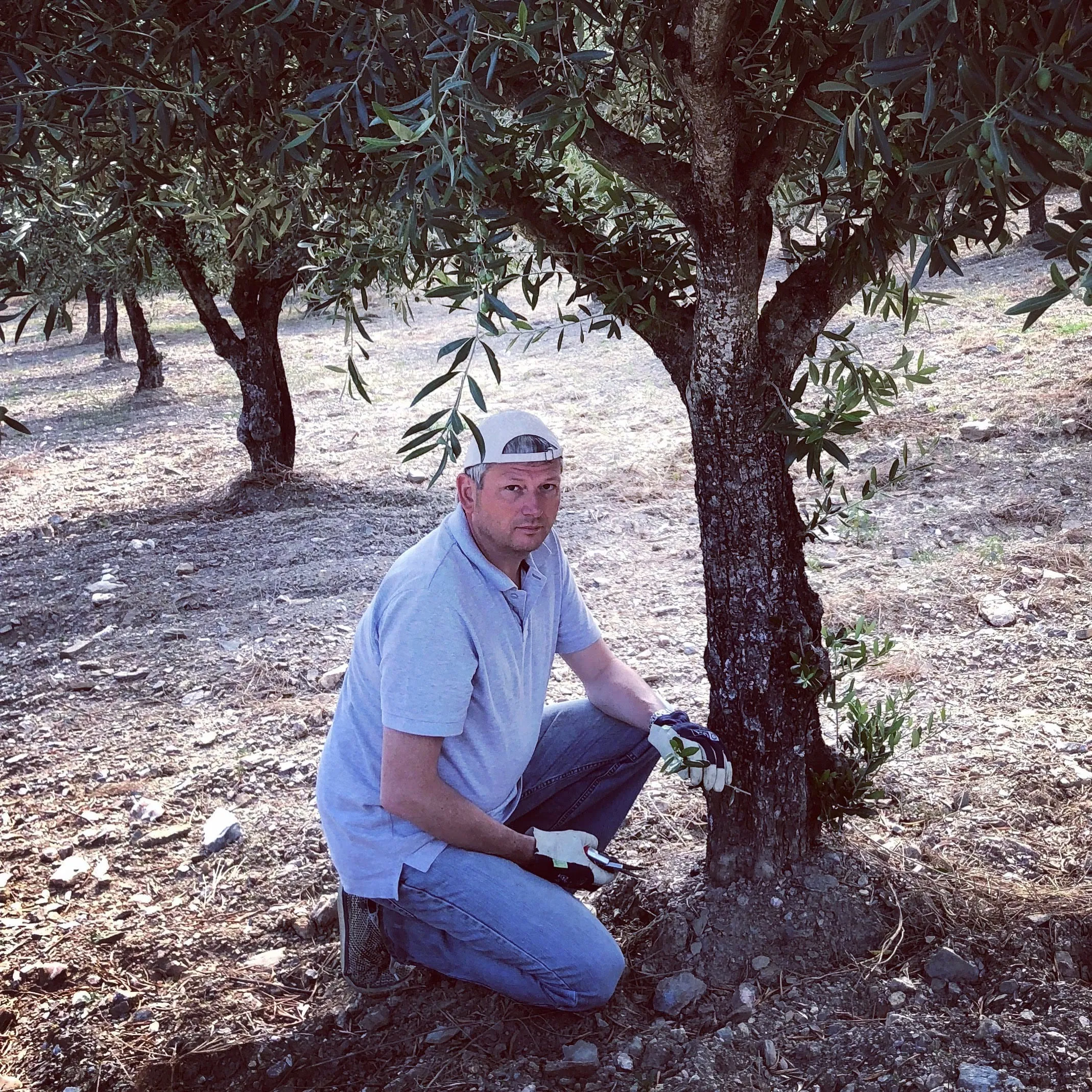
Eight promises, every year
- 01More than 250 mg/kg of polyphenols, the European threshold for the health claim.
- 02No synthetic herbicides, pesticides or fertilisers.
- 03Never irrigated: our trees live on rainwater alone.
- 04Picked in November, while the olives are still green to purple.
- 05Processed within ten hours of picking, by cold extraction.
- 06Stored under the most careful conditions.
- 07Bottle and non-drip pourer chosen to keep out light and oxygen.
- 08A new, fresh harvest every year.
The result
Colheita 2025: an acidity of 0.13% (legal limit 0.8%) and 455 mg of polyphenols per kilo.
Thanks to its high polyphenol content, the oil stays fresh for a long time.
View the analyses
What does our logo mean?
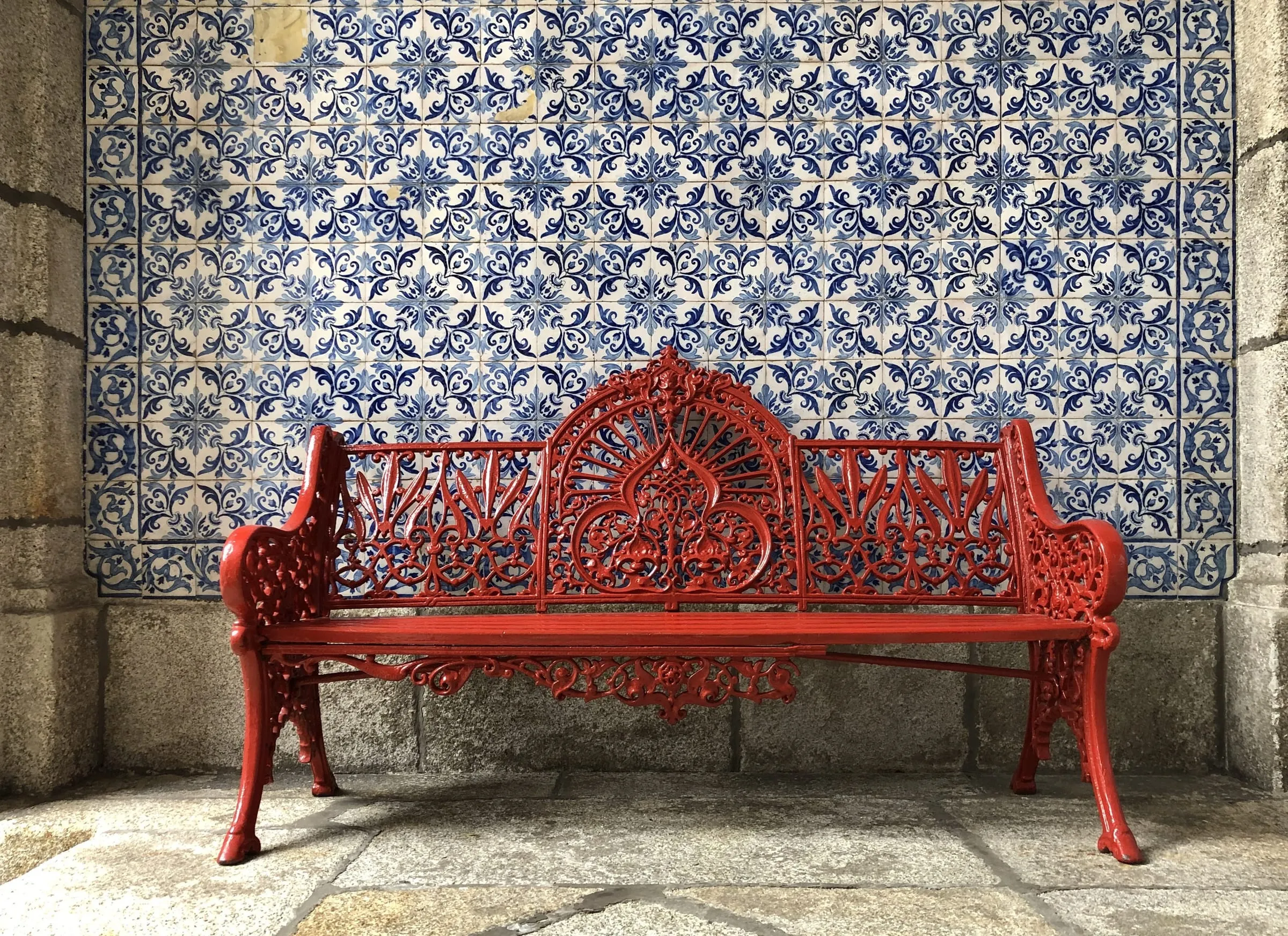
A nod to the azulejos
The MURO logo is inspired by the azulejos, the painted tiles that shape the streets of Portugal. The same art of painted tin-glaze also flourished in sixteenth-century Antwerp, and later gave rise to Delft blue. In this way our logo links Portugal and the Low Countries, just as we do.
En primeur · Colheita 2026